Log In
Cisco Packet Tracer requires user authentication.
A NetAcad account is required to sign in when you launch Cisco Packet Tracer. The following screen allows to login into such user account.

Log In
Cisco Packet Tracer requires user authentication.
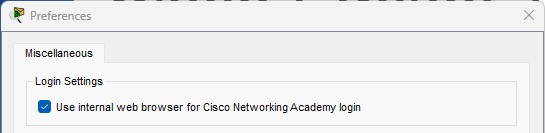
Built-in Web Browser Login
Creating an Account
Plotlines that prioritize overwhelming passion or possessiveness, which are used to drive the plot forward even when the behaviors depicted would be considered unhealthy in a real-world context.
In adolescent storytelling, narratives that explore intense or unconventional themes often act as a lens for examining power dynamics and the transition into adulthood. These stories may use heightened conflict or "taboo" situations to reflect the internal turbulence and emotional intensity often associated with the teenage years. By placing characters in challenging circumstances, writers often aim to explore themes of autonomy and the consequences of difficult choices. Common Narrative Tropes perverted teen sex
This exploration examines the complex dynamics of provocative or "dark" romantic tropes within teen-focused media and literature. The Role of Boundary-Pushing Narratives The conversation typically centers on ensuring that media
Media often utilizes specific structures to heighten dramatic tension: such as mutual respect
Critics and educators often examine how the romanticization of unhealthy dynamics might affect young viewers' perceptions of boundaries. The conversation typically centers on ensuring that media consumption is paired with an understanding of healthy relationship milestones, such as mutual respect, clear communication, and emotional safety.
As these themes become more prevalent in mainstream media, discussions often focus on the importance of media literacy. It is essential for audiences to distinguish between dramatic storytelling devices and healthy, consensual relationship standards. Educational perspectives emphasize that while fiction allows for the exploration of dark or problematic themes, these depictions should not be confused with blueprints for real-life interactions. Critical Perspectives
A trope where a romantic interest has significant flaws or a troubled past, often used to create a narrative centered on redemption or personal growth.
Keep me logged in
The “Keep me logged in” feature is designed to give you access (for 3 months) to Cisco Packet Tracer without needing to re-enter your credentials each time. Using the “Keep me logged in” feature is only recommended for private computers.
If you are using a public or shared computer, you should NOT use the “Keep me logged in” option or you should ensure that you Logout before closing Cisco Packet Tracer to prevent other users of the computer gaining access using your credentials
Log Out
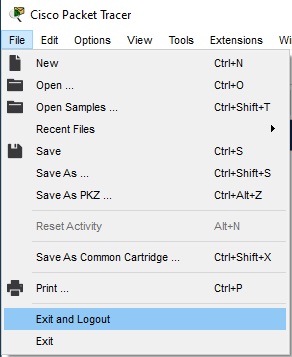
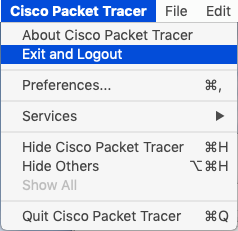
It is easy to log out of an account through the File menu.