How To Parse Xml Using Python May 2026The xml.etree.ElementTree module is the go-to choice for most Python developers because it is part of the standard library and offers a simple, hierarchical API. : Significantly faster than the built-in ElementTree for large files. How to parse xml using python For most projects, is the best starting point due to its zero-dependency nature. However, if you find yourself needing advanced selection logic or processing multi-gigabyte files, switching to lxml is the logical next step. The xml : Unlike the basic path support in ElementTree , lxml supports full XPath 1.0, allowing you to select nodes with sophisticated logic (e.g., //book[price > 30]/title ). However, if you find yourself needing advanced selection For large datasets or tasks requiring complex queries, lxml is the industry standard. It is a third-party library that acts as a Pythonic binding for the C libraries libxml2 and libxslt . import xml.etree.ElementTree as ET # Parsing from a string root = ET.fromstring(' Python Guide ') # Accessing the root tag and attributes print(f"Root: {root.tag}") # Finding specific elements for book in root.findall('book'): title = book.find('title').text print(f"Book ID {book.get('id')}: {title}") Use code with caution. Copied to clipboard 2. High-Performance Parsing: lxml : It represents an XML document as a tree, where each node is an Element . |
В |
 |
Июль 2011.
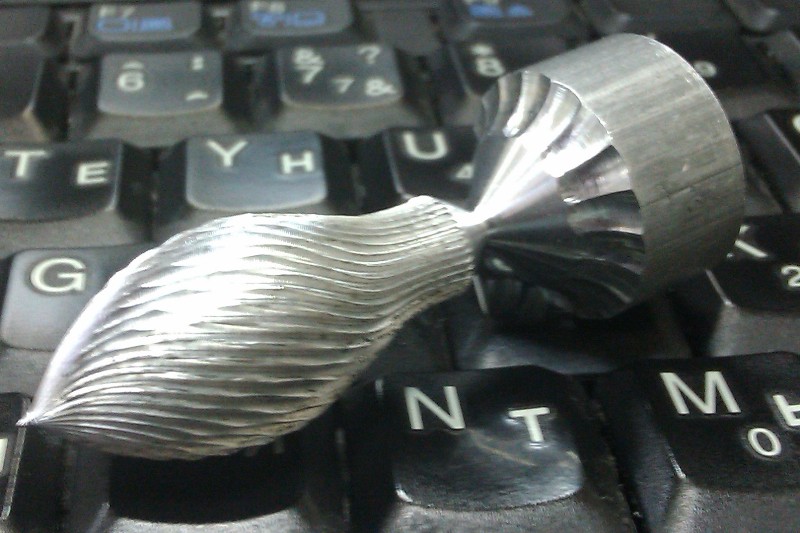
Постпроцессор HAAS VF2, 4-осевой. На рисунке - пример тестовой детали. |
 |
ON-LINE POSTPROCESSOR
(FOR TOPPER CNC-Machine FANUC 18i) |
|
Ноябрь 2010.
Постпроцессор |
|
|
|
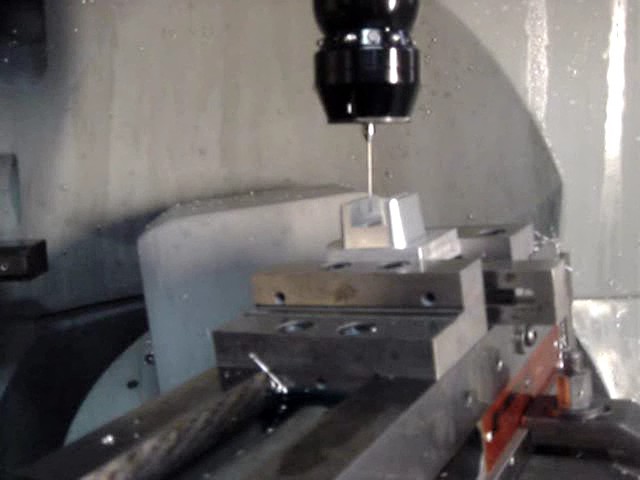
Октябрь 2010. Измерение щупом Renishaw RMP60 на станке ИР-1600 (Иваново) крупногабаритного изделия |
|
В
|
|
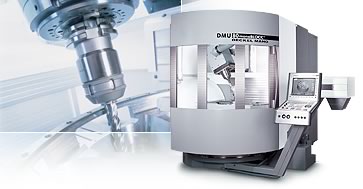 |
23 Декабря 2009. Постпроцессор для 5-осевого станка DMU80monoBLOCK (Heidenhain iTNC530). На этом же постпроцессоре проведена обработка с применением 3D-коррекции (для просмотра - щелкните по картинке). Изображение станка - с сайта компании производителя http://www.gildemeister.com |
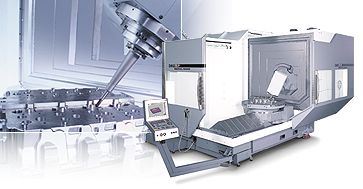 |
Постпроцессор для станка DMU125P с системой управления Heidenhain iTNC530. Отличительная особенность этого станка - неравномерное распределение доступного расхода по Y (-200 +600 мм.) Постпроцессор реализует АВТОМАТИЧЕСКИЙ подворот углом С до "присаживания" на концевые выключатели в зону с бОльшим расходом. Октябрь 2008 г. Для просмотра ролика - щелкните мышкой по картинке В |
|
Управление
станками с ЧПУ
В |
|
||

|
|
|
|
|
|
"Архив посетителей"

|