Trailer & Screenshots
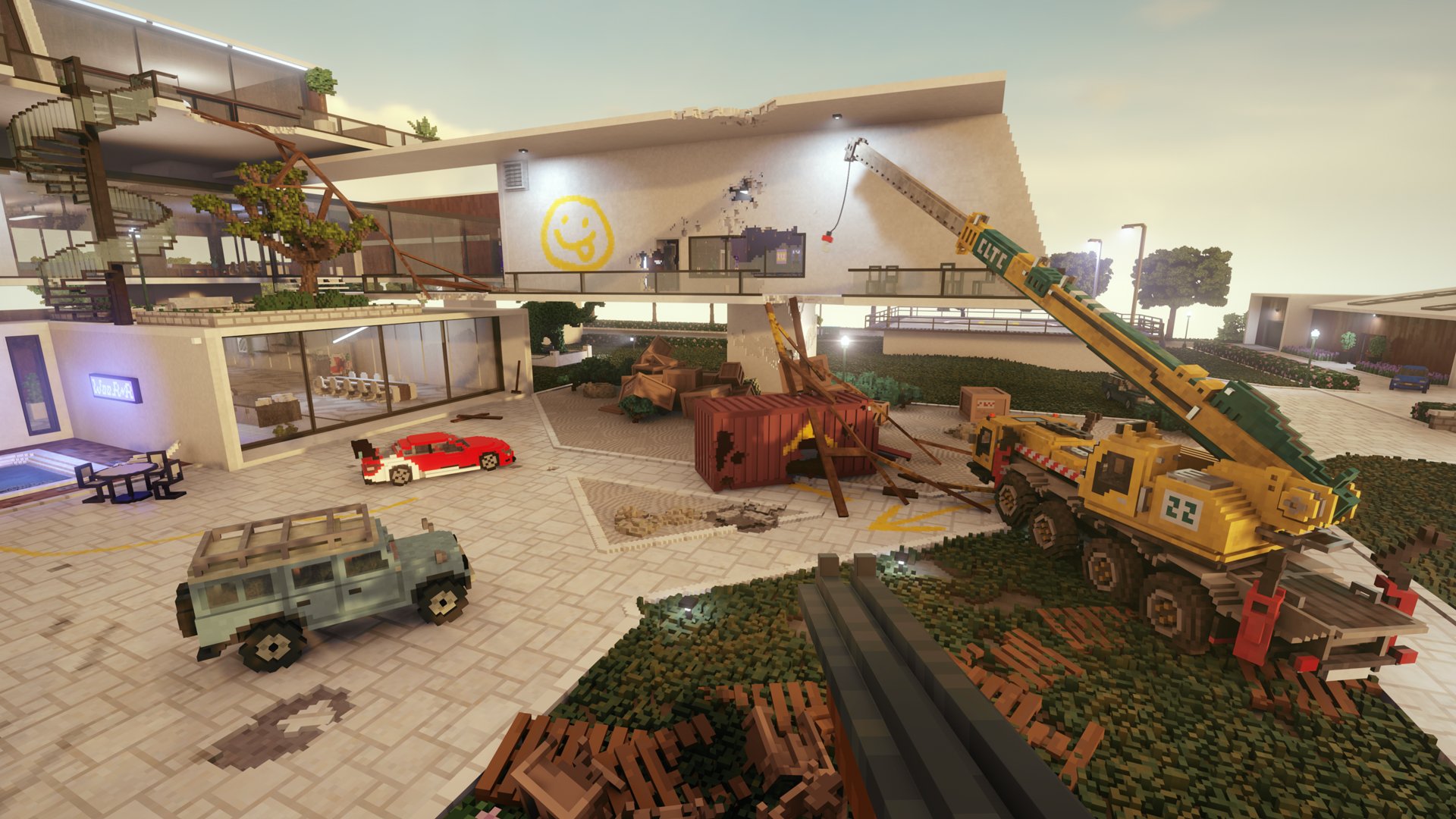
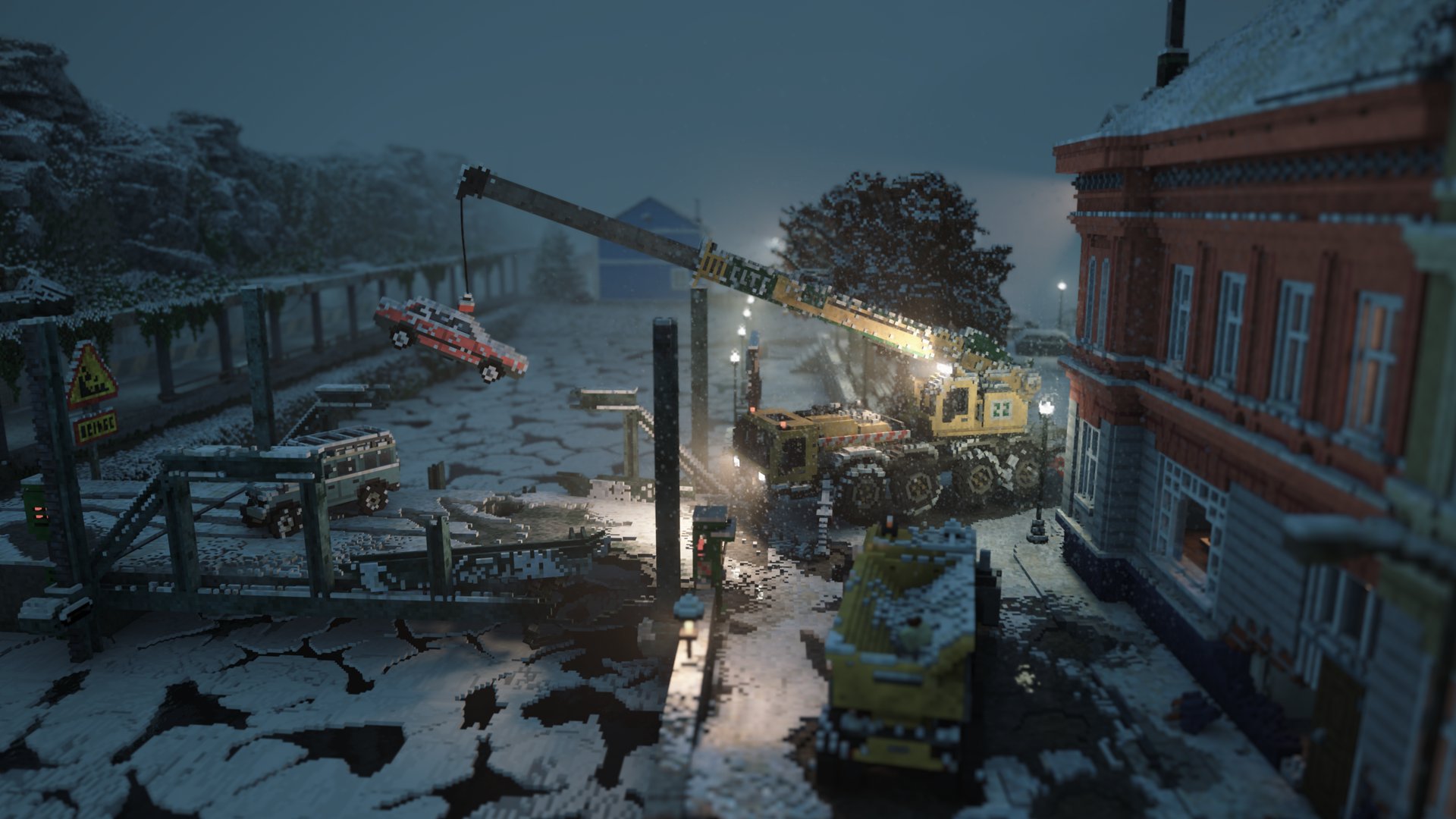
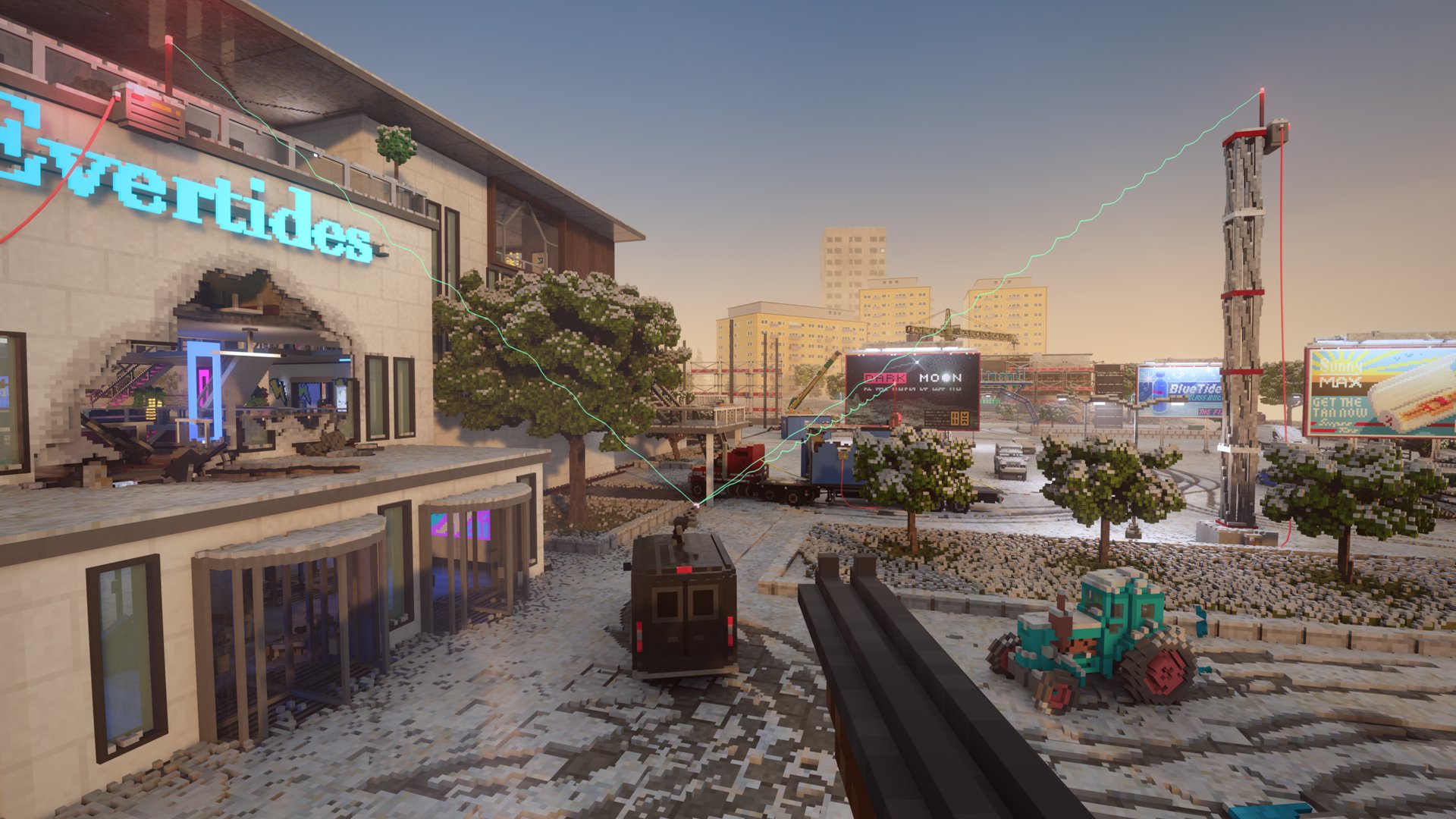
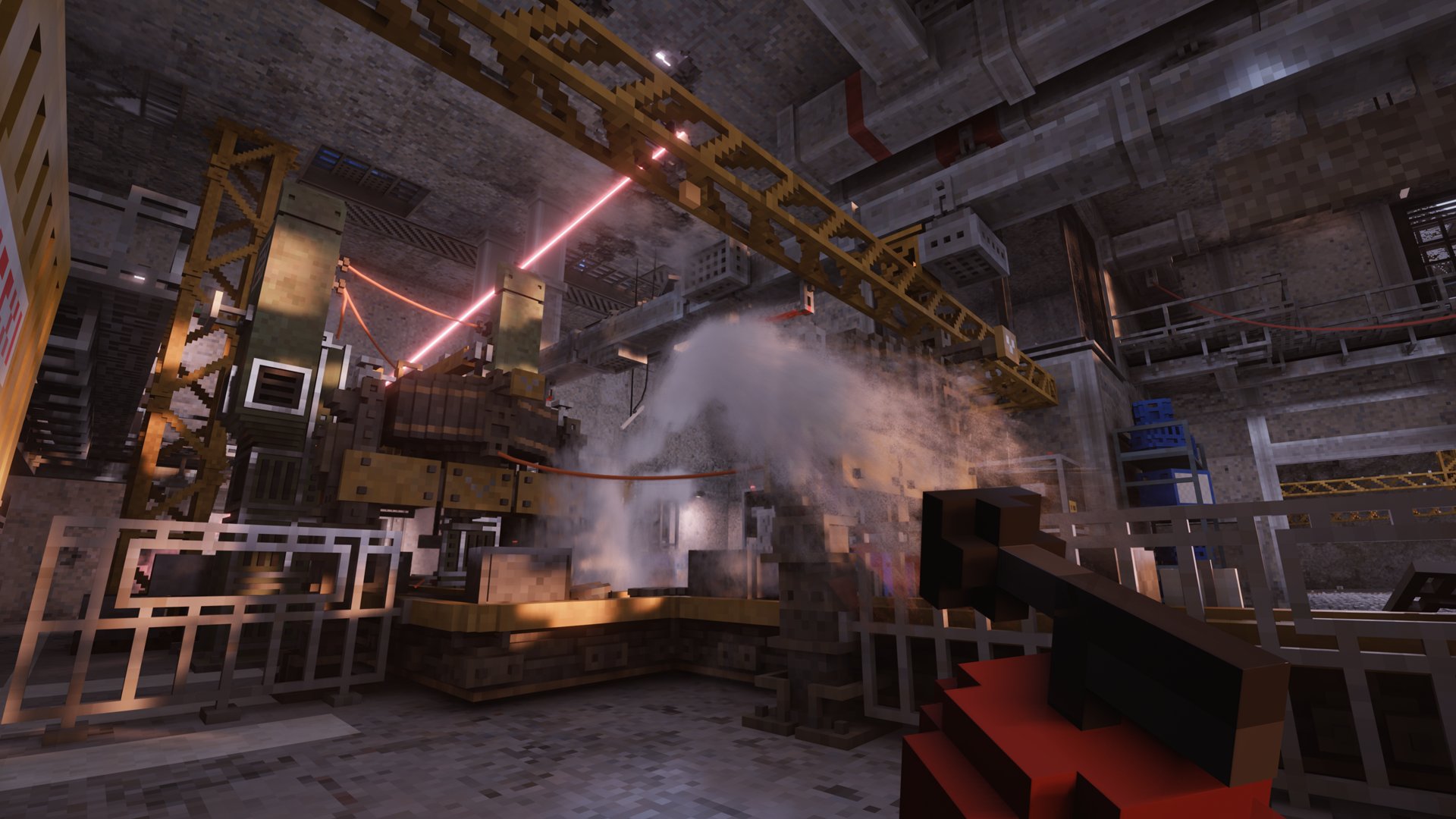
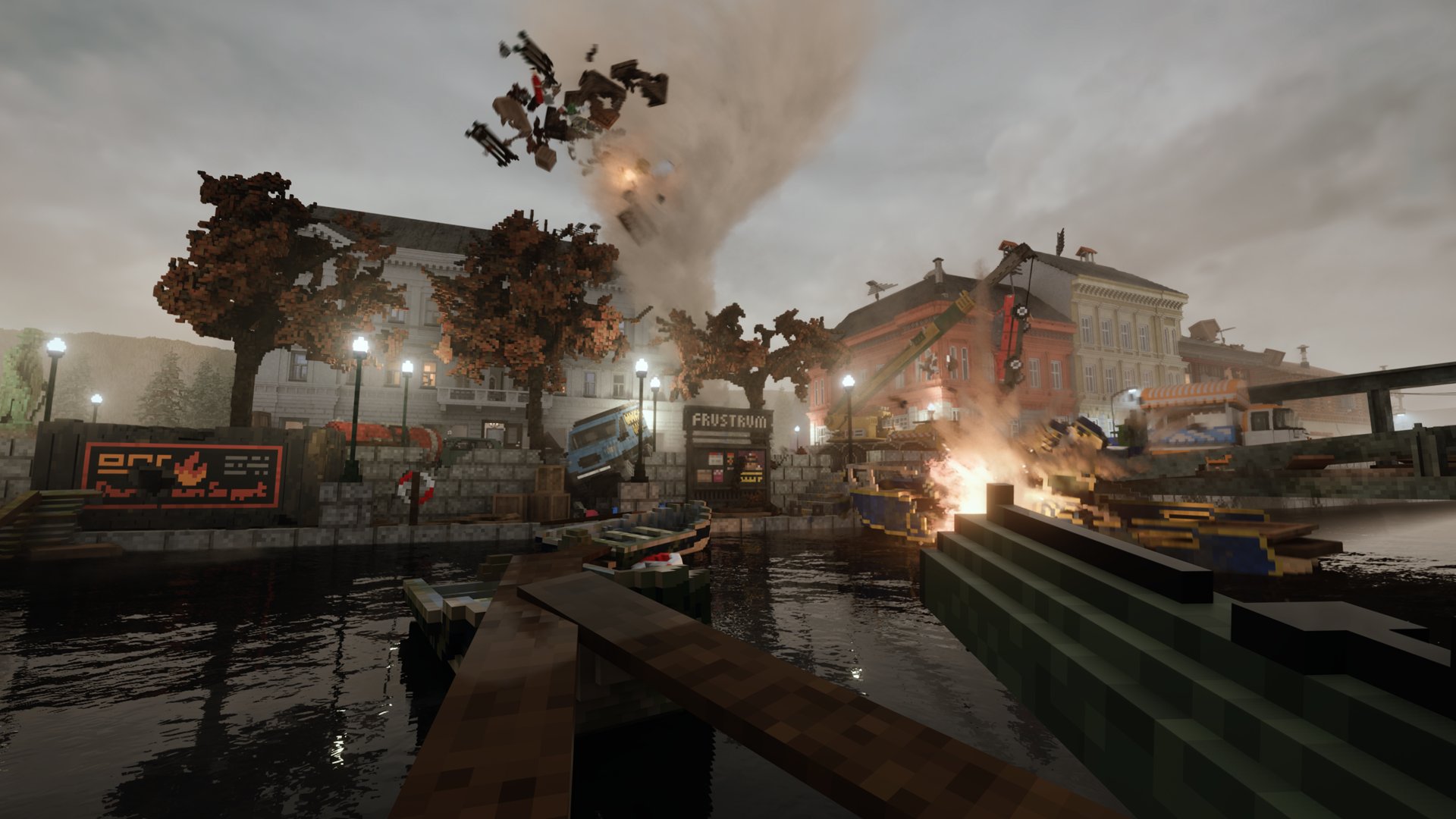
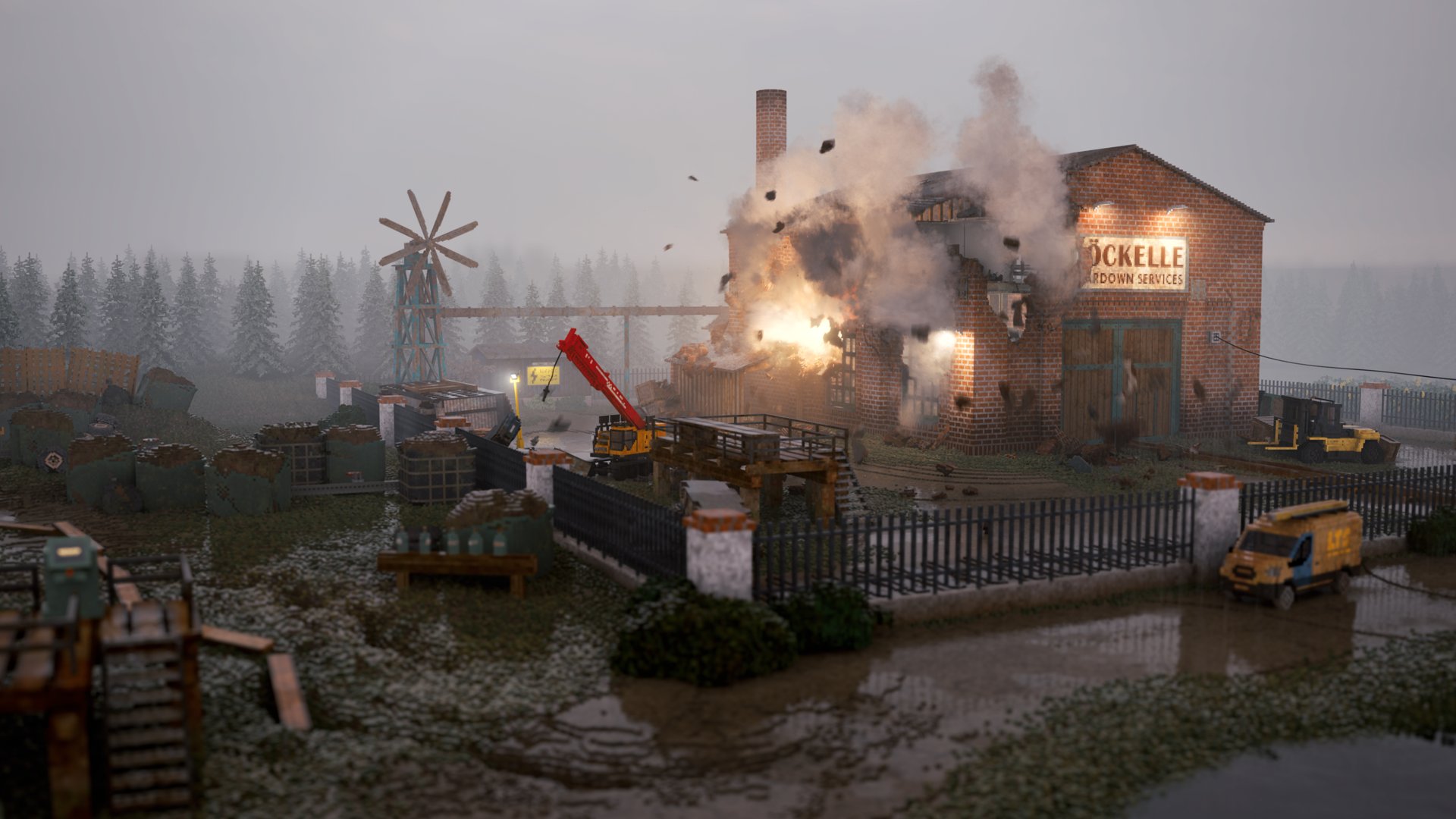
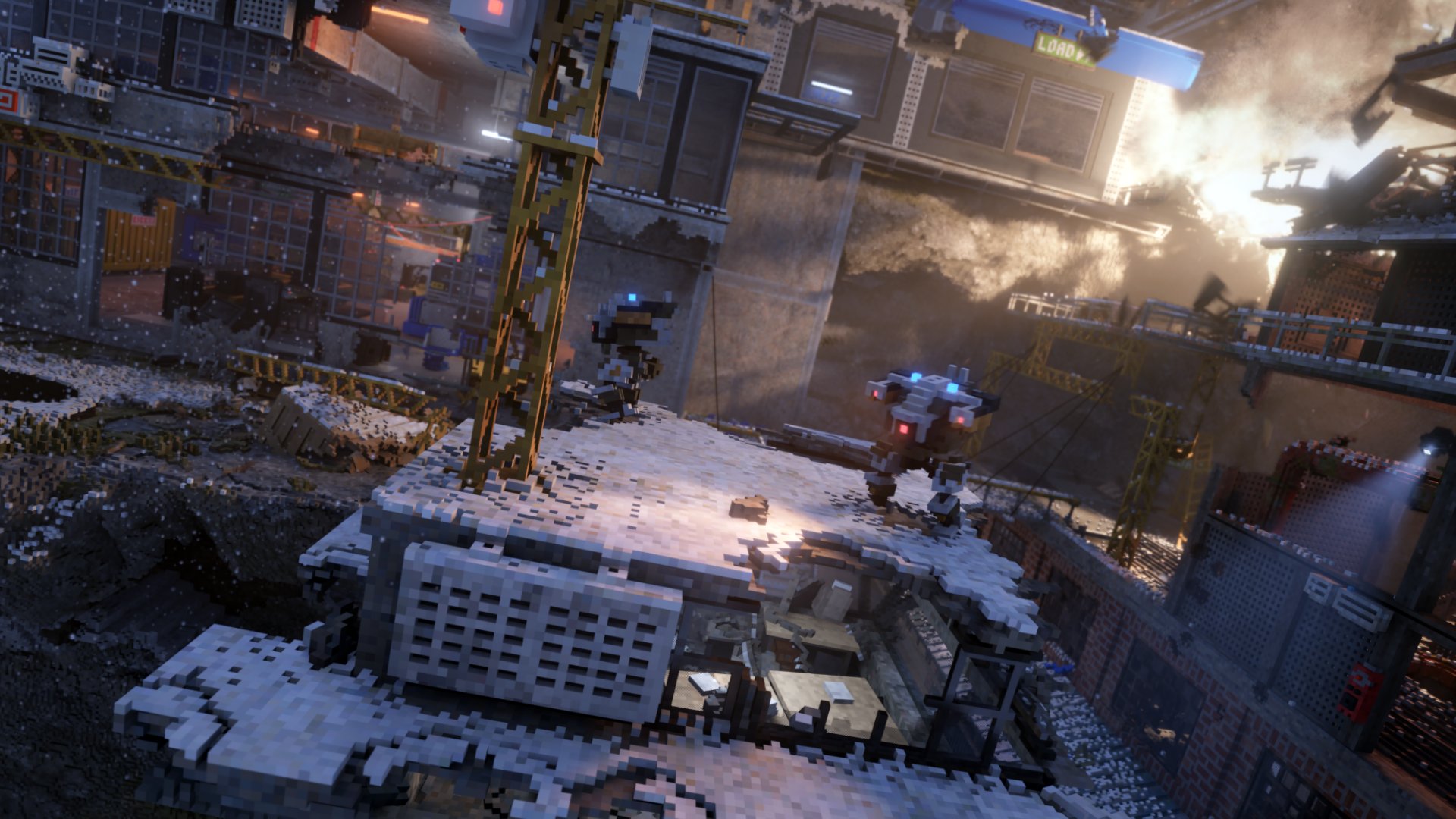
This information is intended for users who have opted into the Teardown Experimental branch and wish to explore Multiplayer prior to the official launch.
Please note that this is an open beta and that Teardown Multiplayer is still a work in progress!
Multiplayer Modding documentationRight-click on Teardown on Steam → Select Properties… → Go to Betas → Select experimental → Let it update and click on Play
 |
||||
|---|---|---|---|---|
| EDITION | STANDARD | DELUXE | ULTIMATE | SEASON PASS |
| BASE GAME |  |
|
|
|
| DLC - TIME CAMPERS | |
|
|
|
| DLC - FOLKRACE | |
|
|
|
| DLC - THE GREENWASH GAMBIT | |
|
||
| DLC 4* | |
|
||
| QUILEZ RO113R ROBOT | |
|
||
Instead, a "Duchampian engine" began to drive the art world. This refers to the legacy of Marcel Duchamp, whose critique of aesthetic norms prioritized the idea over the physical object. This shift paved the way for everything from the conceptual puzzles of the 1960s to the performance art of the 1970s. Key Movements and the Transatlantic Tug-of-War
The narrative of art after 1945 is not just about new styles; it’s about a profound crisis of meaning. Hopkins argues that the horrors of World War II and the Holocaust shattered the "grand narratives" of high modernism—the belief that art could reach universal truths through pure form and abstraction.
While many histories focus solely on the rise of American dominance, Hopkins highlights a constant dialogue—and often a resistance—between European and American centers.
This blog post explores the core themes and critical shifts detailed in David Hopkins’ seminal work, After Modern Art 1945-2000 from the Oxford History of Art series. The Death of Certainty: Art in the Post-War Vacuum
These movements stripped art of its decorative functions. Donald Judd and Sol LeWitt questioned the very nature of authorship and the "art object".
Art became increasingly pluralistic, embracing photography, video, and identity politics. Artists like Cindy Sherman and Damien Hirst used provocative imagery to explore gender, death, and the burgeoning global art market. Beyond the Canvas: Art as Social Critique
Figures like Andy Warhol and Roy Lichtenstein bridged the gap between "high art" and mass consumer culture, using iconography from advertising and comics.
Instead, a "Duchampian engine" began to drive the art world. This refers to the legacy of Marcel Duchamp, whose critique of aesthetic norms prioritized the idea over the physical object. This shift paved the way for everything from the conceptual puzzles of the 1960s to the performance art of the 1970s. Key Movements and the Transatlantic Tug-of-War
The narrative of art after 1945 is not just about new styles; it’s about a profound crisis of meaning. Hopkins argues that the horrors of World War II and the Holocaust shattered the "grand narratives" of high modernism—the belief that art could reach universal truths through pure form and abstraction. After Modern Art 1945-2000 (Oxford History of Art)
While many histories focus solely on the rise of American dominance, Hopkins highlights a constant dialogue—and often a resistance—between European and American centers. Instead, a "Duchampian engine" began to drive the art world
This blog post explores the core themes and critical shifts detailed in David Hopkins’ seminal work, After Modern Art 1945-2000 from the Oxford History of Art series. The Death of Certainty: Art in the Post-War Vacuum Key Movements and the Transatlantic Tug-of-War The narrative
These movements stripped art of its decorative functions. Donald Judd and Sol LeWitt questioned the very nature of authorship and the "art object".
Art became increasingly pluralistic, embracing photography, video, and identity politics. Artists like Cindy Sherman and Damien Hirst used provocative imagery to explore gender, death, and the burgeoning global art market. Beyond the Canvas: Art as Social Critique
Figures like Andy Warhol and Roy Lichtenstein bridged the gap between "high art" and mass consumer culture, using iconography from advertising and comics.
Whether you are playing on PC or console or curious about what's coming with multiplayer, our FAQ has answers to the most common questions. It covers gameplay, platforms, features, and what to expect ahead of the multiplayer launch. We’ll keep updating it as new questions arise.
Contact us if you experience problems with the game and need technical support or have a business enquiry. Make sure to read the FAQ above first. You can also find many answers to questions by joining the offical Discord server